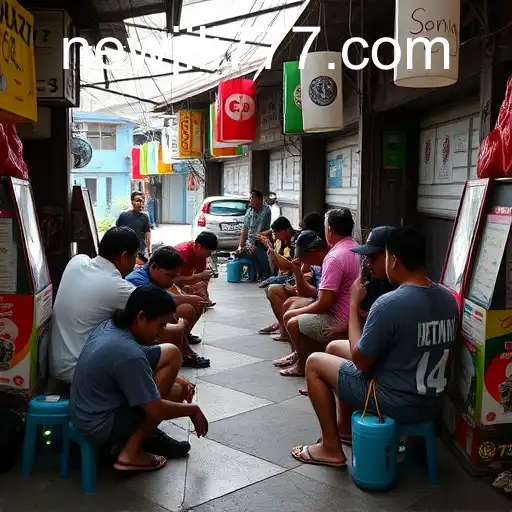
Jueteng: An Intricate Part of Filipino Culture
Jueteng is not just a game of chance; it is deeply ingrained in the fabric of Filipino society. This illegal numbers game has intrigued millions across generations, symbolizing both hope and controversy in equal measure. Despite numerous government efforts to eradicate it, Jueteng continues to thrive, adapting to new technological landscapes and societal norms.
The Origins and Mechanics of Jueteng
Jueteng traces its roots back to the Spanish colonial period, originating as a form of entertainment among the working class. The game itself is straightforward. It involves betting on a combination of numbers, from which winners are determined by pre-drawn results. The simplicity of Jueteng, coupled with the enticing payout, contributes to its widespread appeal.
How Jueteng Operates Today
Through the years, Jueteng has evolved, embracing modern technology to streamline operations. Traditionally, bets were placed directly with collectors who roamed neighborhoods. Today, however, digital platforms have facilitated ease of access, making participation more convenient. One such platform is NEWJILI, alleged to have modernized Jueteng transactions, drawing attention to the interplay between tradition and innovation.
The Social and Economic Impacts
Jueteng's impact within communities cannot be underestimated. For many low-income families, it represents a glimmer of financial hope. However, the implications go beyond individual fortunes. Jueteng has fostered intricate social networks that span different socioeconomic classes.
Economic Necessities or Moral Dilemma?
The prevalence of Jueteng has often been attributed to insufficient economic opportunities. In many rural and urban communities, alternative means of employment or income are limited. Jueteng fills a void, albeit controversially. Critics argue that it preys on the vulnerable, perpetuating cycles of poverty rather than alleviating them. Additionally, the moral questions surrounding this practice further complicate public perception.
The Role of Authorities and Regulation Efforts
Government initiatives to curb Jueteng have been met with mixed success. Legislation and law enforcement crackdowns are frequently juxtaposed against allegations of corruption, where officials themselves are implicated in maintaining Jueteng networks. The enduring battle against this game raises questions about governance and policy efficacy.
Legal Alternatives and the Path Forward
In response to Jueteng's persistence, legalized lottery games have been introduced to offer legitimate channels for gambling while generating tax revenue. Nonetheless, Jueteng's allure often outstrips these official alternatives, highlighting deep-seated cultural preferences and the game's uniquely accessible format.
NEWJILI: A New Player in the Arena
NEWJILI has emerged as a controversial figure in the dialogue surrounding Jueteng. As an embodiment of modernization in gambling, this platform has captured attention due to its innovative approach. While some view it as a natural progression, critics argue that its existence poses risks of further entrenching Jueteng within society.
The reality is that platforms like NEWJILI present both challenges and opportunities. Their existence underscores the need for a nuanced approach to regulation that considers technological integration while addressing societal concerns.
The Cultural Significance of Jueteng
Despite its illegal status, Jueteng holds cultural significance. It offers a lens into Filipino resilience, the ingenuity to adapt traditions and customs within changing societal structures. Jueteng serves as a narrative of survival in the face of adversity, representing both the ingenuity and complexities of the Filipino spirit.
Jueteng is more than a game; it encapsulates the hopes, frustrations, and realities of many Filipinos. As the country wrestles with its presence, understanding its multifaceted role remains crucial in crafting responses that resonate with cultural and societal needs.